
incognito1410
Youtube Master Race
- 31/10/07
- 82
- 0
Hình như em touchdown lệch một bên thì phải ?!?


Follow along with the video below to see how to install our site as a web app on your home screen.
Note: This feature may not be available in some browsers.


póc tem, pretty good, cái em overland của em cứ mỗi lần F7 là nó lại chúi mũi xuống. Có ai bik nó bị lỗi gì hem???
póc tem, pretty good, cái em overland của em cứ mỗi lần F7 là nó lại chúi mũi xuống. Có ai bik nó bị lỗi gì hem???

 , đang bay overland. Bay may cai long haul nản wá. Mong là hè này sẽ có thể pót ảnh lên đc

có bác nào cho em link down level D 767 cua Vietnam airlines , singapore ,untied... em tìm trong avsim nó ko có. Thanks mấy Bác

có ai có mấy sân bay German của Aerosoft hem cho em xin cái link với??

 , toàn thuật ngữ
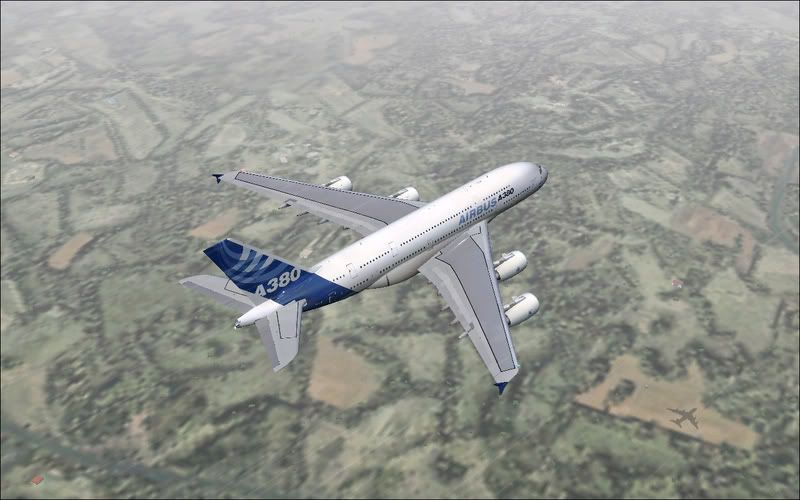
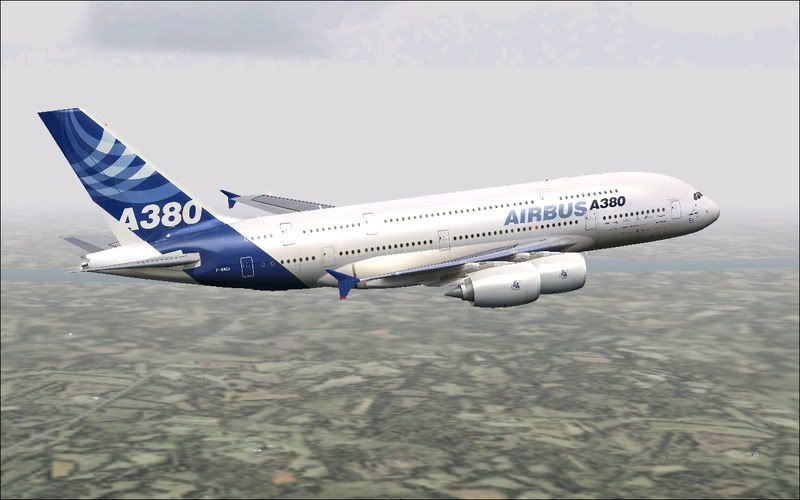
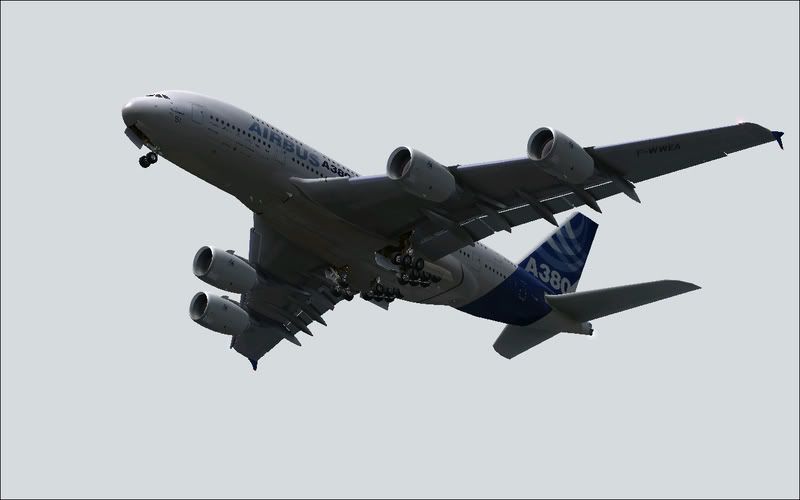
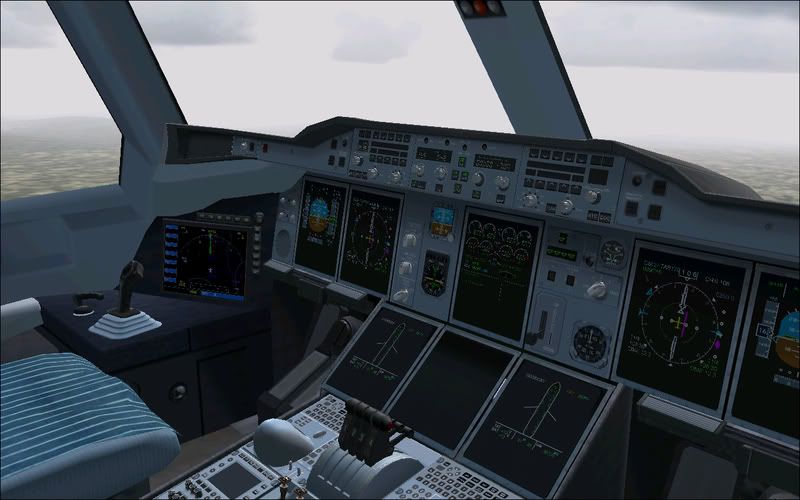
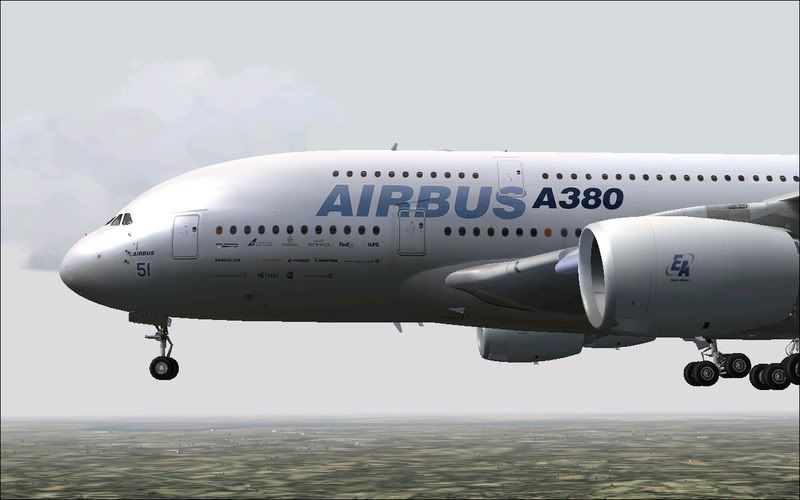
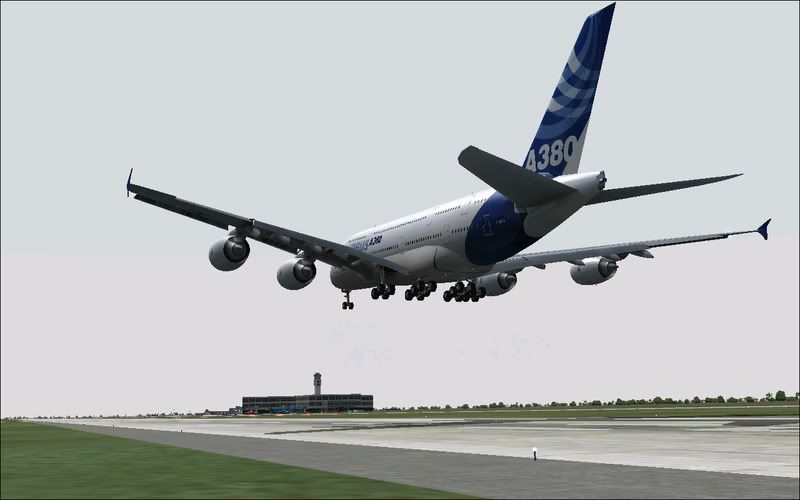
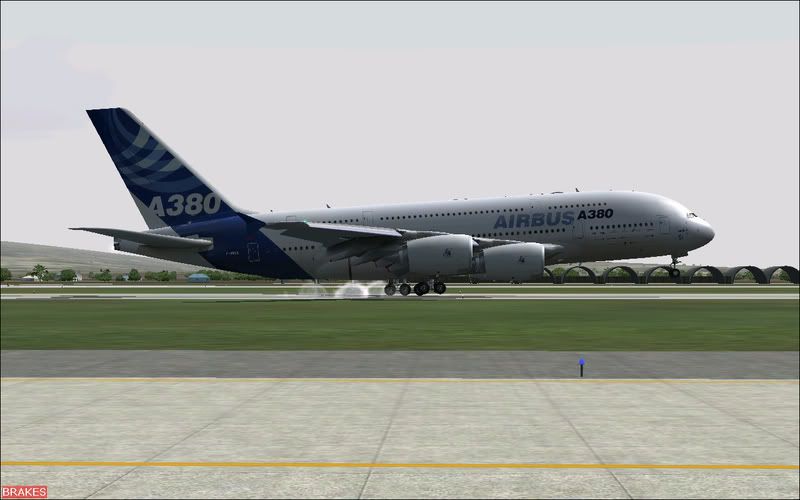
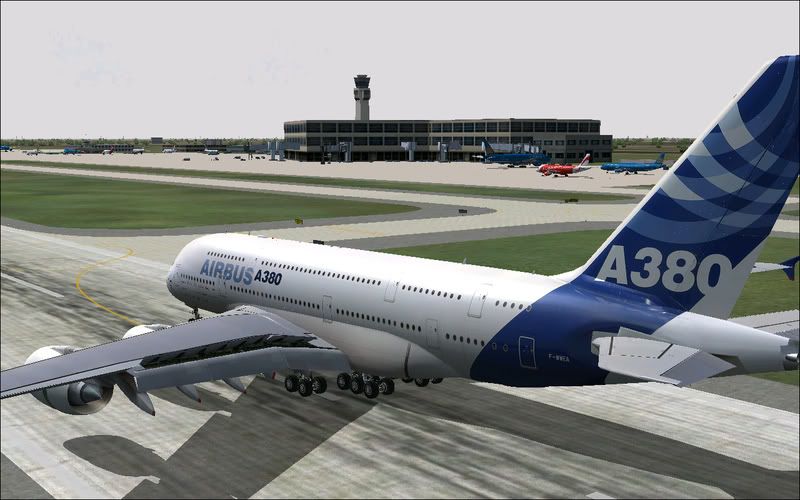
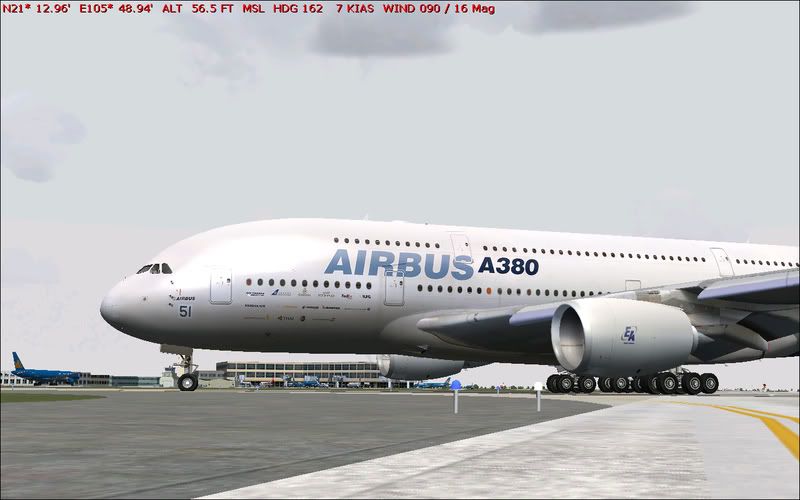
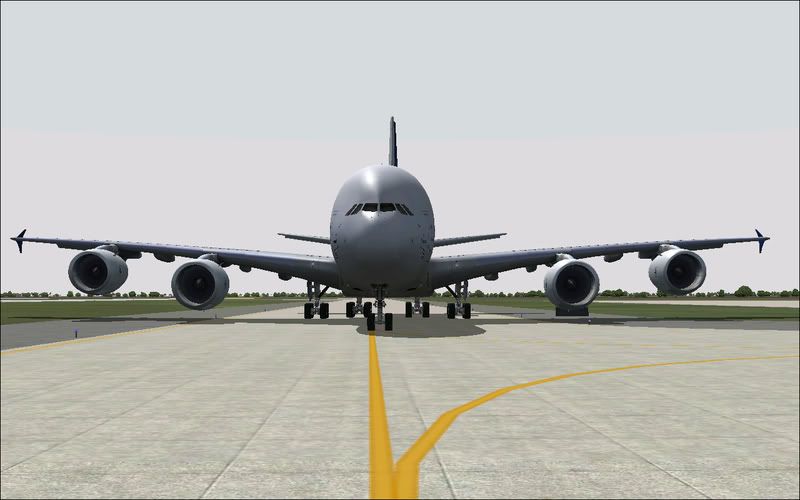
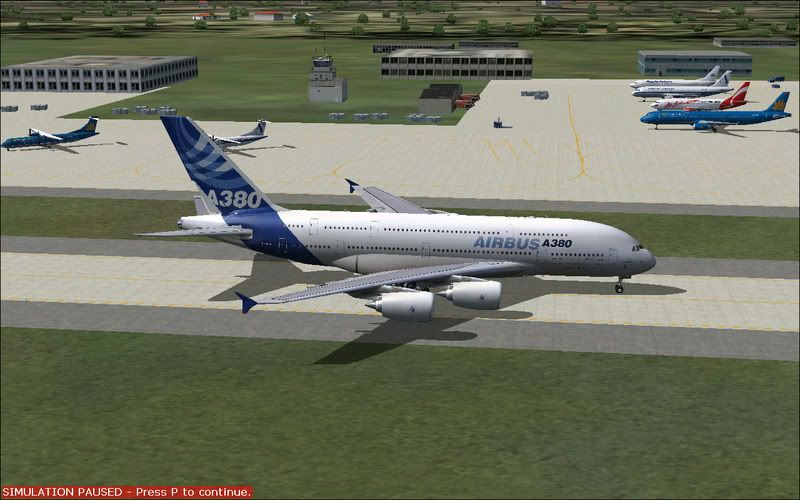
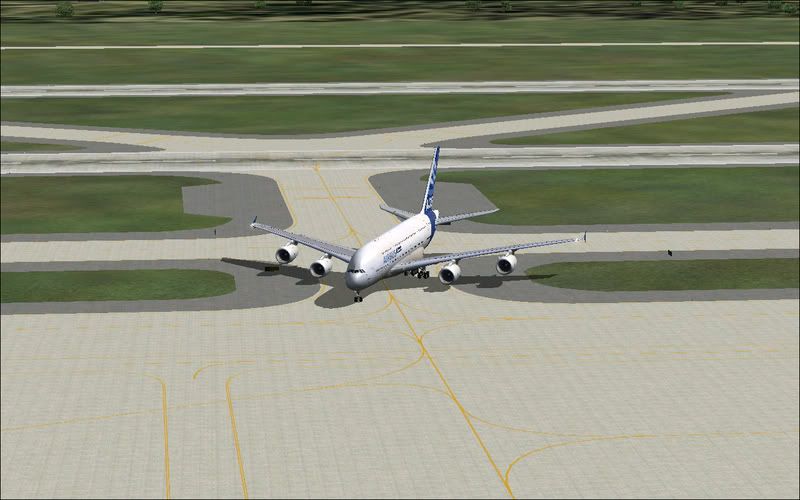
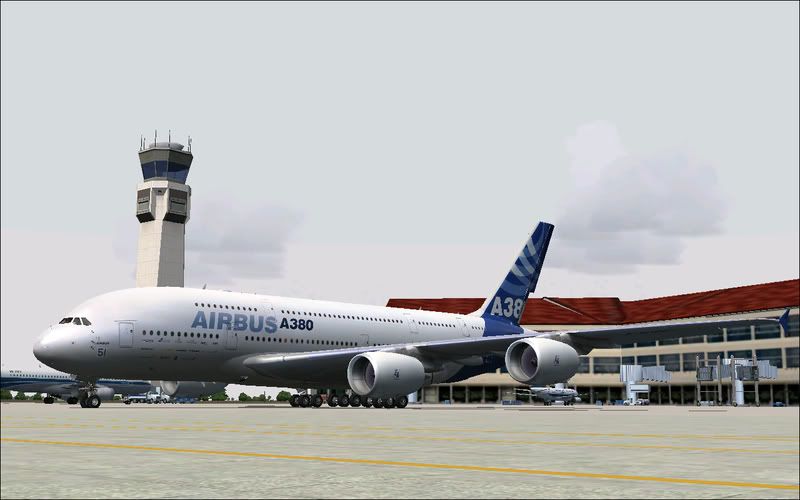
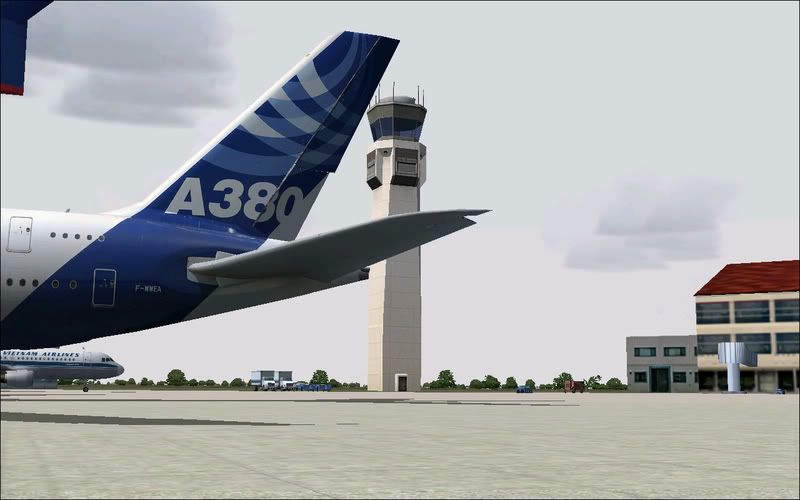
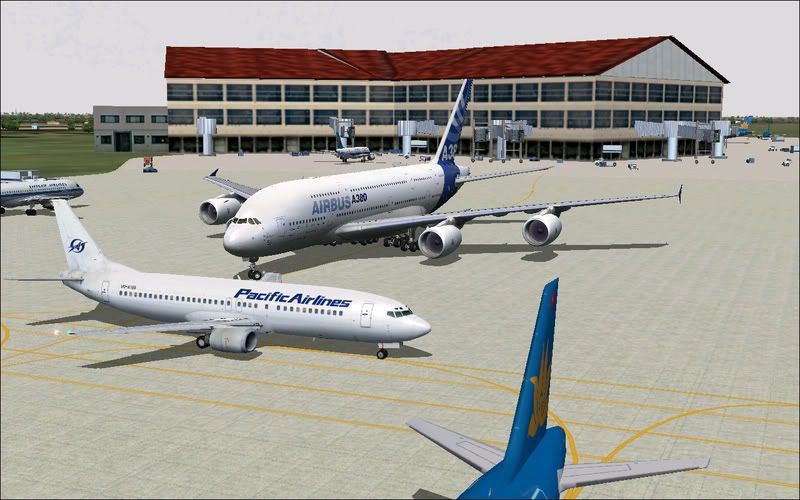


 (Lỗi traffic)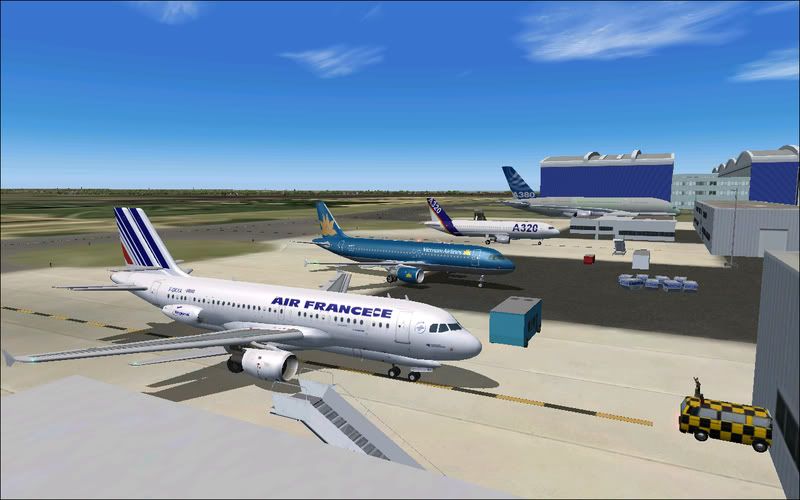
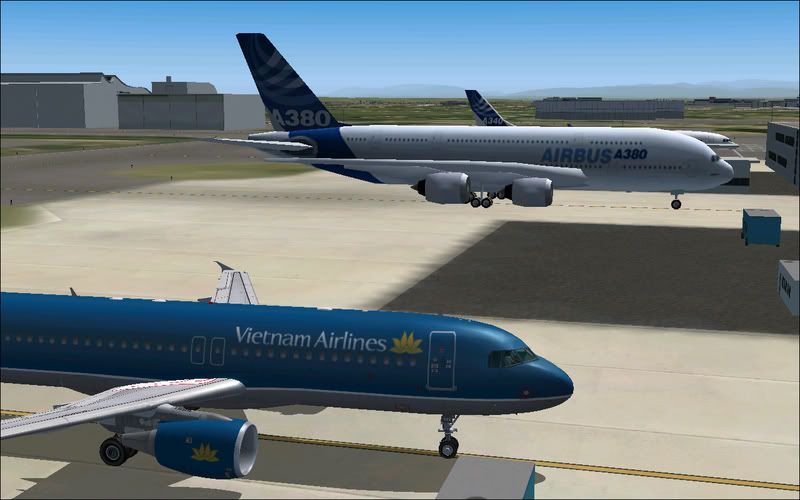
 em nghe nói Vietnam Airline sắp mua 3,4 chiếc 787 dream dream gì đó, bữa nào rảnh chú tậu về bay thử nghiệm roàiz up lên cho mọi người xem với nha!!!!:hug: