There is a difference in what the FAA requires and Airline procedures.
The Nav lights are located on the wing tip and tail. Left is red, right is green and tail is white. The help other aircraft tell your orientation at night. They are required to be on sunset to sunrise.
LAND is the Landing light, used to land at night. Recommended below 10,000 feet for collision avoidance.
Strobe is a high intensity light usually one on each wing tip use for collision avoidance. Normally turned on just before takeoff.
Beacon is a small, red rotating or flashing beacon also used for collision avoidance. Normally turned on before engine start.
Airlines use NAV light any time electrical power in on the aircraft.
Pilot controlled lighting allows you to control the lights separately.
All aircraft that fly at night have to have NAV lights. Strobe lights are optional and many small aircraft don't have them, they have the red rotating beacon.
So let me just get this right:
1. from taxiing to runway, you have your taxi light, beacon, navigation lights ON.
2. from runway to airborne, you switch OFF taxi light, beacon light is ON, nav lights are still ON, but strobe light is switched ON, and landing light is ON.
3. during flight upto 10'000 all the above are the same except after 10'000 landing lights have to be OFF.
4. when descent, below 10'000 landing lights ON, taxi light OFF, nav lights ON, beacon ON, strobe ON.
5. and then when you land and exit runway, LL OFF, taxi lights ON, strobe lights OFF, beacon lights ON, nav lights ON. and when you park, only nav lights are ON, the rest are off.
Am i right??


 Không có gì đâu anh, còn cái texture trên avsim sao em search hoài không thấy ta ::(


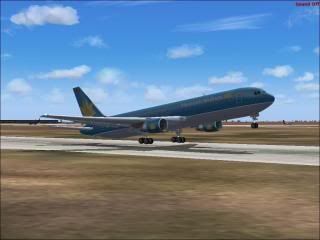
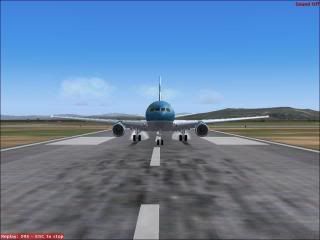
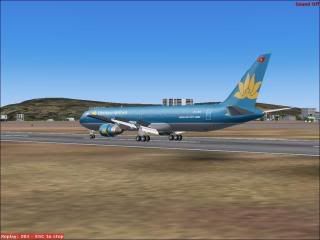
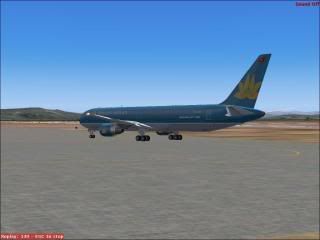
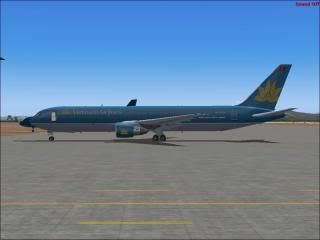


 :hug:
:hug:
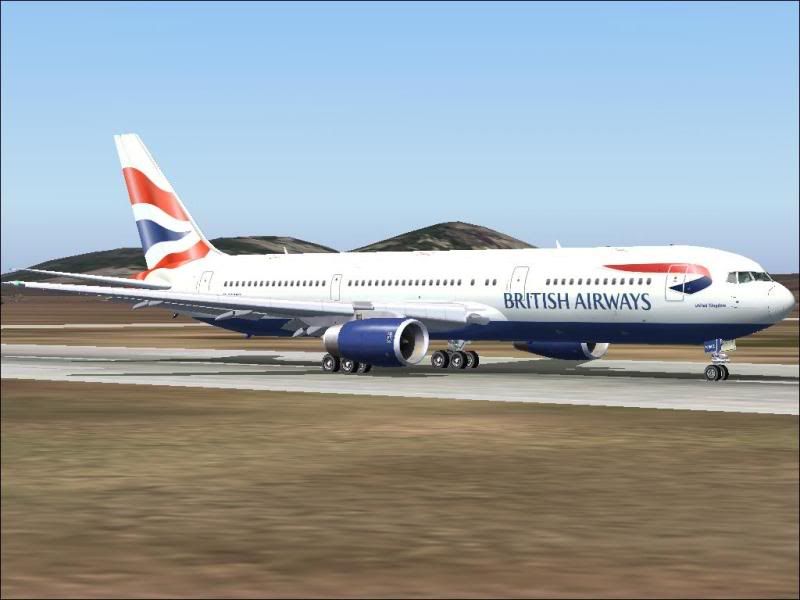
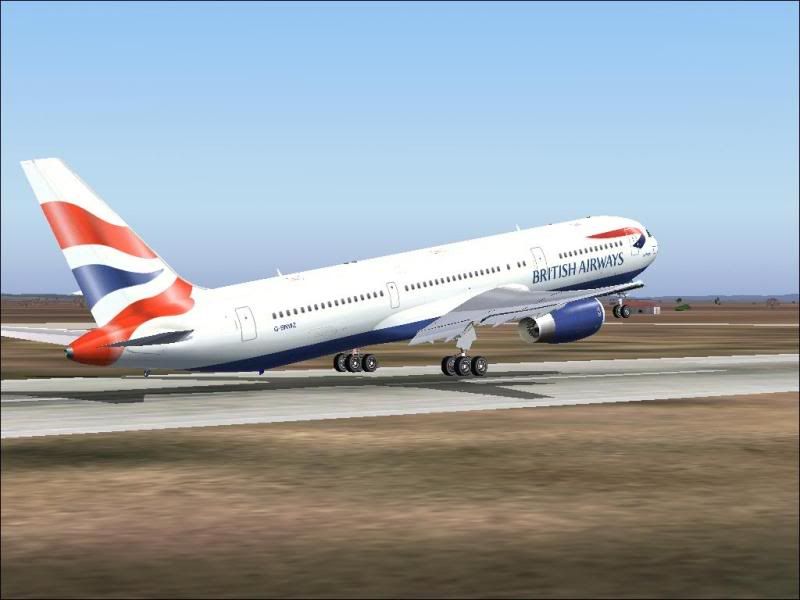
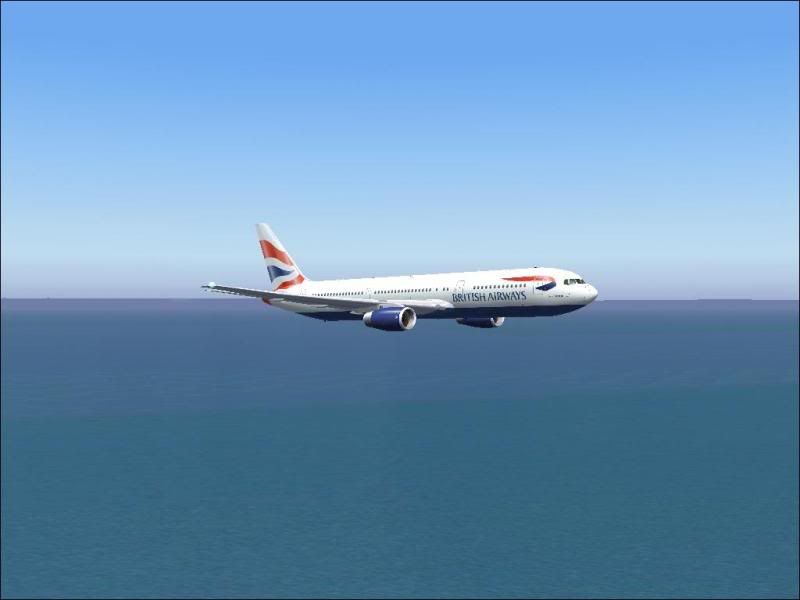
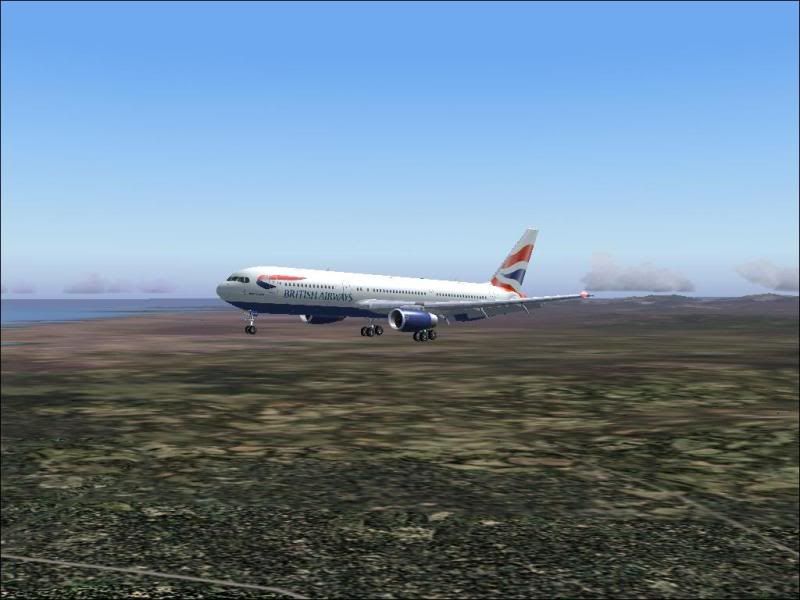
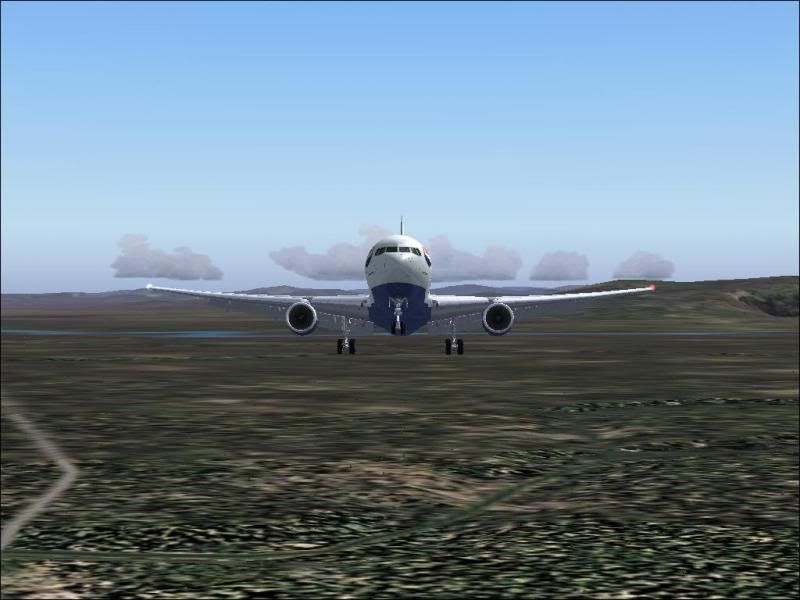
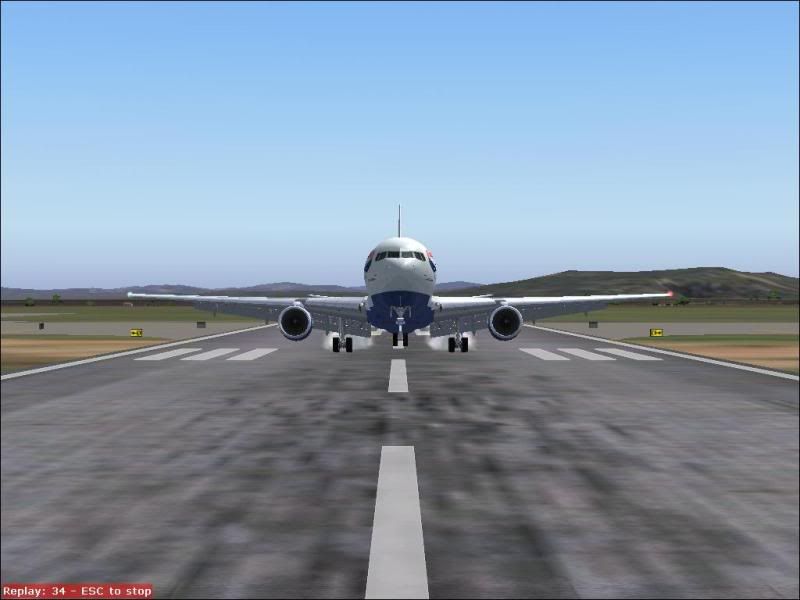
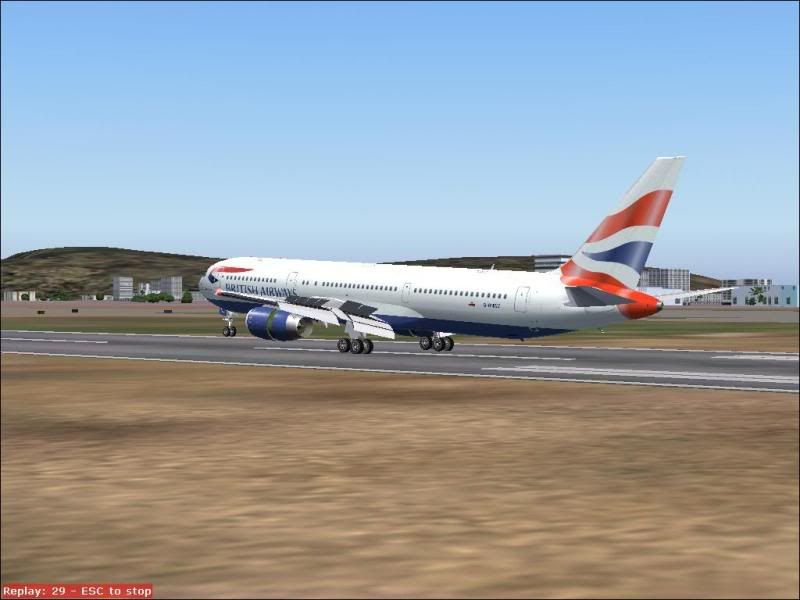
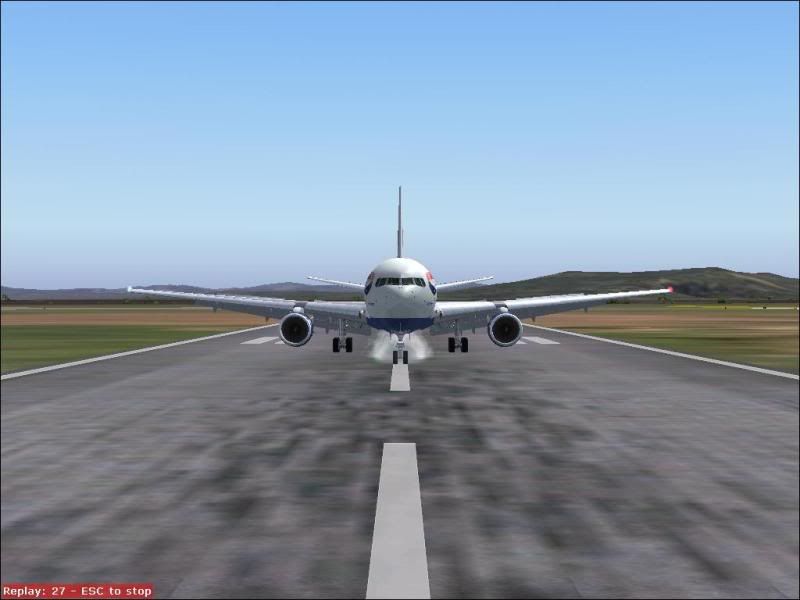


 , con này mượn hèn chi thấy màu phản quốc wóa(Đỏ trắng xanh :p) j/k


