

trinh phuc tuan
Donkey Kong
- 19/6/10
- 301
- 45
I. MONGOl Empire - Đế chế Mông Cổ: Yuan Dynasty - Vương triều Nguyên:
Thành Cát Tư Hãn (Genghis Khan: 1162 -1227)
Four Princes - Tứ Trưởng tử : Truật Xích - Sát Hợp Đài - Oa Khoát Đài - Đà Lôi
Four Valiant Warriors - Tứ Dũng: Bốn viên dũng tướng của Thành Cát Tư Hãn: Mộc Hoa Lê (Muqali) - Xích Lão Ôn (Chilaun) - Bác Nhĩ Truật (Bo'orchu) - Bác Nhĩ Xích (Borokhula)
Four Dogs of War - Tứ Kiệt: Bốn viên đại tướng của Thành Cát Tư Hãn: Khubilai (Hốt Tất Lai) - Giả Lặc Miêt (Jelme) - Triết Biệt (Jebe) - Tốc Bất Đài (Subutai)
Bốn con trai của Truật Xích: Oa Nhi Đáp - Bạt Đô - Biệt Nhân Ca - Tích Ban
Hai con trai của Sát Hợp Đài: Mutukan - Baidar
Ba người con của Oa Khoát Đài: Quý Do (Guyuk) - Koden - Kadan
Bốn người con của Đà Lôi: Mông Ka - Hốt Tất Liệt - A Lý Bất Ca - Húc Liệt Ngột
Các tướng Nguyên Mông xâm lược Đại Việt
Tướng Nguyên
Thoát Hoan: Toghan
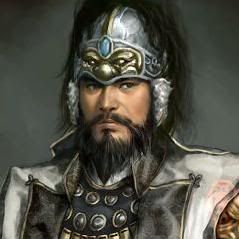
Ngột Lương Hợp Thai (Uriyangqatai):
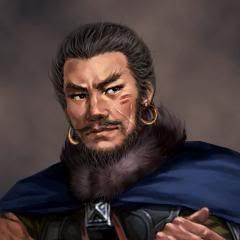
A Truật (Aju):
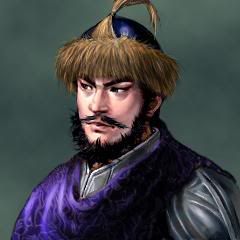
A Lý Hai Nha (Ariq Qaya)
Toa Đô (Sogetu, Suodu)
Ô Mã Nhi (Omar):
Áo Lỗ Xích (Ayuruychi: ? - ?)
Tích Lệ Cơ
Thiết Mộc Nhĩ
Đường Ngột Nại (cũng gọi là Đường Cổ Nại)
Bột La Cáp Đáp Nhĩ
A Bát Xích (Abaci)
Sầm Đoàn
Sài Thung
Tướng đầu hàng nhà Nguyên
Tây Hạ
Lý Hằng :
Nam Tống
Lý Quán
Trình Bằng Phi
Phàn Tiếp
Lưu Quốc Kiệt
Lưu Thế Anh
Lưu Khuê
Nghê Nhuận
Trương Văn Hổ
---------------------------------------------------------------------------------------------------------------------------------------------------------
1. Thành Cát Tư Hãn (Genghis Khan: 1162 -1227) the founder of Mongol Empire, the greatest and largest empire in the history. Despite of many troubles, he united Mongol tribes, led them under his great world conquer. Nothing could stop him, even his closet childhood friend, Jamukha.
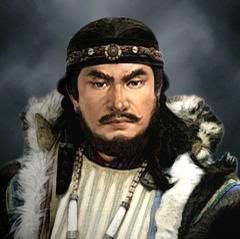
Four Princes: Bốn con trai của Thành Cát Tư Hãn : Truật Xích - Sát Hợp Đài - Oa Khoát Đài - Đà Lôi
Four Valiant Warriors - Tứ Dũng: Bốn viên dũng tướng của Thành Cát Tư Hãn: Mộc Hoa Lê (Muqali) - Xích Lão Ôn (Chilaun) - Bác Nhĩ Truật (Bo'orchu) - Bác Nhĩ Xích (Borokhula)
Four Dogs of War - Tứ Kiệt: Bốn viên đại tướng của Thành Cát Tư Hãn: Khubilai (Hốt Tất Lai) - Giả Lặc Miêt (Jelme) - Triết Biệt (Jebe) - Tốc Bất Đài (Subutai)
Four Princes - Tứ Trưởng tử
2. Truật Xích (Jochi: 1181 – 1227): the eldest son of Genghis Khan and Borte. There is a legendary that his real his father is Merkit tribe leader. This is source of dispute between him and his brother Chagatai. He led two campaigns against Jin, Khwarezm, conquered Central Asia He died earlier than his father. His son Orda and Batu founded the White Horde and the Blue Horde, later combine their territories into the Kipchak Khanate (Golden Horde). Another son, Shiban, received territories that lay north of Batu and Orda’s Ülüs.
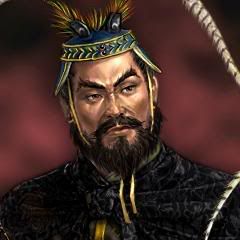
Bốn con trai của Truật Xích: Oa Nhi Đáp - Bạt Đô - Biệt Nhân Ca - Tích Ban
3. Sát Hợp Đài (Chagadai: 1183–1241): the second son of Genghis Khan. He is straightforward and always disputed with Jochi. After death of Genghis Khan, he received his fortune and established his Chagadai Khanate, a part of Mongol Empire.
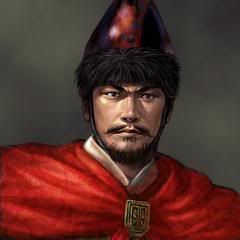
4. Oa Khoát Đài (Ogedei: 1186 – 1241): the third son of Genghis Khan, succeed him as Great Khan (Khagan) of Mongol Empire. Under his reign, Mongol Empire continued expanded to the west to conquer Europe and to the east to conquer China, defeated Jin and Song Dynasty. He is a clever, flexible strategist and emperor.
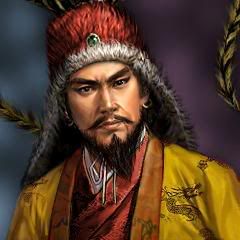
Ba người con của Oa Khoát Đài: Quý Do (Guyuk) - Koden - Kadan
5. Đà Lôi (Tolui: 1193 – 1232): the youngest son of Genghis Khan, served with distinction in the campaigns against the Xi Xia, Jin Dynasty and Khwarezmid Empire. He is father of Khubilai, the founder Yuan Mong Empire. Amazing military skills and very cautious, successful general.
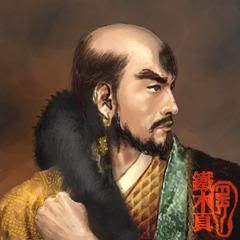
Bốn người con của Đà Lôi: Mông Ka - Hốt Tất Liệt - A Lý Bất Ca - Húc Liệt Ngột
Kipchak Khanate - Kim Trướng Hãn quốc - Bốn hoàng tử của Hãn Truật Xích
6. Bạt Đô (Batu: 1205 – 1255): one son of Jochi, estabished White Horde, later conbimed with Blue Horde to be Kipchak Khanate, a clan of Mongol Empire. Batu joined Odegei military campaign against Jin Dynasty in North China. He conquered Europe, defeated many armies there. Batu means strong warrior.
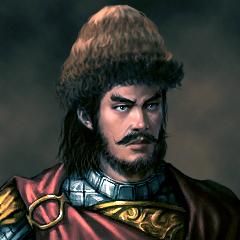
7. Oát Nhi Đáp (Orda Ichen: 1204 – 1280): the eldest son of Jochi. He established Blue Horde, later conbimed with White Horde to be Kipchak Khanate, a clan of Mongol Empire. He is a military strategist, participated in the massive invasion of Rus and Kiev.
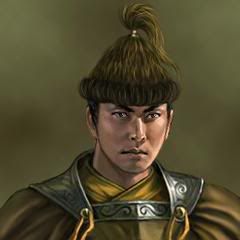
8. Biệt Nhân Ca (Berke: ? – 1266): one son of Jochi, succeed Batu as Kipchak Khanate. He invaded Europe, defeated Hungarian army. He converted to Islam, making a civil war with Hulagu. After that he support Ariq Boke to be new Khagan after death of Mongke. Kublai called both Hulagu and Berke for a Kurultai and he refused to come. the new Kurultai was never held.
9. Tích Ban (Shayban: ? - ?): the fifth son of Jochi, participated the Mongol invasion of Europe. He had support from his brothers, later established Shaybanids dynasty. There is legend he killed Guyuk Khan in a violent brawl.
Three princes of Ogedei Khagan - Ba hoàng tử của Khả Hãn Oa Khoát Đài
10. Quý Do: (Guyuk: 1206 – 1248): one son of Ogedei, succeed him as Khagan of Mongol Empire. Participated in the invasion of Russia and Central Europe, with his cousin Batu and Kadan, then quarreled violently with Batu at the victory banquet. Pursuing the war against the Song Dynasty. After his death, Mongke was elected as new Khagan.
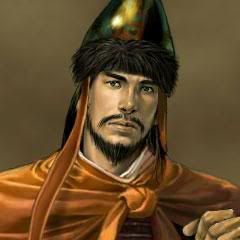
11. Koden: (1206-1251): grandson of Genghis Khan, second son of Ogedei Khan, brother of Güyük Khan. Administrator over much of China before Kublai Khan came to power. He ordered the invasion of Tibet.
12. Kadan: son of the second Great Khan of the Mongols Ögedei and a concubine. During the Mongol invasion of Europe, Kadan sacked many cities. Kadan accepted the election of Mongke Khan as Khagan. loyal to Kublai Khan and supported his army against Ariq Boke.
Yuan Mong Dynasty & IlKhanate - Bốn hoàng tử của Hãn Đà Lôi
13. Mông Ka: (Mongke: 1209 – 1259): the fourth Great Khan of theMongol Empire, the eldest son of Tolui. Under Mongke, the Mongols conquered Iraq and Syria as well as the kingdom of Nanzhao. He was favourite general of Guyuk. After Guyuk death, his friendliness with Batu ensured the unity of the empire. He died in a battle in the siege Fishing Town, Chongqing (Điếu Ngư Đài – Trùng Khánh). Mongke means Eternal.
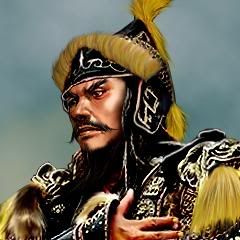
Ông chính là người tên là Mông Kha mà Trần Quốc Tuấn đề cập đến trong Hịch Tướng sĩ.
14. Hốt Tất Liệt (Kublai: 1215 – 1294): the fifth Khagan, founder of the Yuan Dynasty. the second son of Tolui. After death of Mongke, there was a civil war between brothers, Ariq Boke and alliance Kublai – Hulegu. He continued invasion South Song Dynasty and established Yuan Dynasty. He invade Great Viet (Dai Viet) there times but totally defeated.
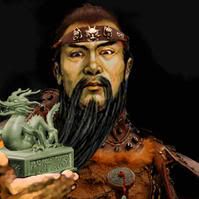
15. Húc Liệt Ngột (Hulegu: 1217 – 1265): son of Tolui, brother of Mongke, Kublai and Ariq Boke. Destroyed the greatest center of Islamic power, Baghdad, and Damascus, conquest of Syria. He supported Kublai against Ariq Boke. After that he found the Ilkhanate of Persia.
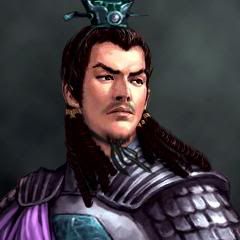
16. A Lý Bất Ca (Ariq Boke: 1219–1266): the youngest son of Tolui. After death of Mongke, he throned as new Khagan but be opposed by Kublai and Hulegu. The civil war broken down. He was defeated and executed later.
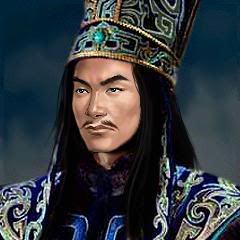
Four Valiant Warrios - Tứ Dũng
17. Mộc Hoa Lê (Muqali: 1170–1223): one of the greatest generals under Genghis Khan. Win decisive battle in the first stage of the Mongol–Jin War. Make war with Khwarezmid Empire, subdue most of Northern China with his small force of around 20,000 men. Muqali declared with pride that he had never been defeated.
18. Xích Lão Ôn: (Chilaun): one of the greatest generals in the Mongol Empire, known as one of Genghis Khan four variant warriors. He helped young Genghis escape from captivity at the hands of the Tayichiuds. Chilaun means rock - rocky.
19. Bác Nhĩ Hốt: (Borokhula): one of the greatest generals of Genghis Khan. He was found after the destruction of the Jurchen, by Jebe, and given to Hoelun. He saved Ögedei during the battle by sucking clotted blood out of his neck from an arrow wound. Later sent to lead an invasion of the Khori-tumats. However, he was cut off by enemy scouts and killed.
20. Bác Nhĩ Truật: (Bo'orchu): one of the first and most loyal of Genghis Khan's friends. Stolen horse with Gengis at youth. Helped to rescue Borte and defeated Jamukha despite of being shoot by an arrow. Loyal to Ogedei Khagan after all.
Four Dogs of War - Tứ Kiệt
21. Tốc Bất Đài: (Subutai: 1175–1248): the primary military strategist and general of Genghis Khan and Ogedei. Direct more than twenty campaigns, conquered thirty two nations, won sixty five pitched battles, earn title Dogs of War. Died at the age 72. He is father of well known general Uriyangqatai .
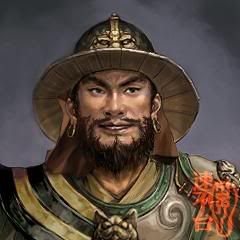
Tốc Bất Đài là cha của Ngột Lương Hợp Thai, ông nội của A Truật.
Uriyangqatai: Ngột Lương Hợp Thai hay còn gọi là Cốt Đãi Ngột Lang, người chỉ huy tiêu diệt Nam Tống và xâm lượng Đại Việt lần thứ 1. Tên của ông xuất hiện trong Hịch Tướng sĩ của Trần Quốc Tuấn.
22. Triết Biệt: (Jebe: ? – 1225): Dogs of War. Shoot Genghis wounded by an arrow on neck. Later be one of the best and most loyal commanders of Genghis Khan. Conquests China, Central Asia, Europe at Kiev and the Rus. Died on his way back from the conquests of Kievan Rus. Jebe means Saint of Arrows.
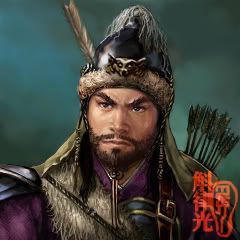
23. Giả Lặc Miệt: (1160 - ?): Dogs of War. A general and close companion of Genghis Khan. Older brother of . Rescued Genghis from an arrow to the neck by his future general Jebe. Granted immunity from prosecution even if he commits nine crimes.
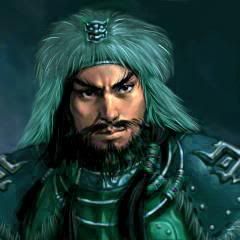
24. Hốt Tất Lai: (Khubilai: ? - 1211): Dogs of War. One strong general of Genghis Khan. Under his great Khagan, united Mongol tribes and conquer the world.
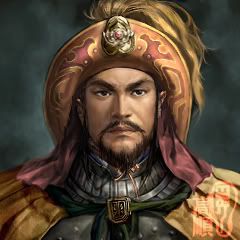
Các tướng Nguyên Mông xâm lược Đại Việt
25. Ngột Lương Hợp Thai: (Uriyangqatai: 1200 – 1271): son of Subutai. Great general of Kublai. Under Batu and Hulegu leadership, conquer Bagdad. He wiped out Nanchao, Dai Li and annihilated South Song. Support Kublai in civil war. He invade Dai Viet and was defeated.
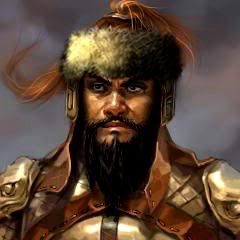
26. A Truật: (Aju: 1227–1287): son of Uriyangqatai. Strong general. Followed his father subdued western China, conquered the Dali. Uryankhadai and Aju led 3000 Mongols and 10000 troops Dali tribes to northern Vietnam in 1255. Crushed Song armies and navies captured Fancheng during the Battle of Xiangyang made Song governor committed suicide.
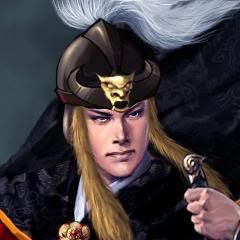
27. A Lý Hải Nha: (Ariq Qaya: 1227-1286): great general of Kublai. He pacified south of China and invade Dai Viet. He is bloodthirsty and machiavellian person.
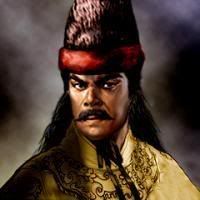
28. Toa Đô: (Sogetu: ?–1285): great general of Kublai, under Aju leadership. In a battle with Song army, he cut more than 300 heads. He led 20000 soldiers to attack Champa, as a plan to invade Dai Viet from the south. He was ambushed at Tay Ket port and died by arrows. His corpse was preserved and buried with honored funeral.
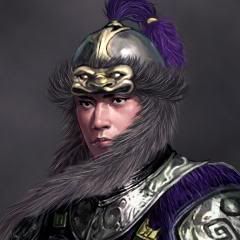
29. Ô Mã Nhi: (Omar: ?–1285): great Muslim valiant general of under Kublai. Leading Yuan naval attack Dai Viet. Being ambushed and captured in naval battle at Bach Dang port. Released but being drowned for his cruelty violence in invasion.
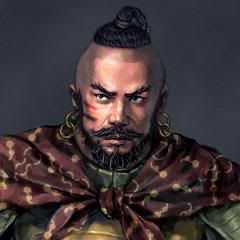
30. Lý Hằng: (Li Heng : ? - 1285) a prince of XiYe Dynasty, brilliant Tangut general of Kublai. In South Song campaign, defeated Van Thien Tuong, occupied Ping Castle at Xinyang, defeated all South Song naval at South Sea. During Viet campaign, rescued Toghan and hit an arrow, led to his death on the route.
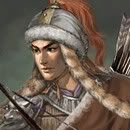
31. Lý Quán: (Li Quen: ? – 1285): a infantry general under LiHeng command. After LiHeng wounded, he guarded Toghan withdrawal and died for exhaustion with his master.
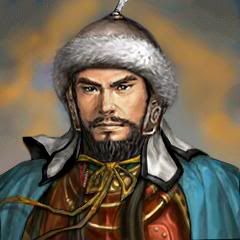
32. Trình Bằng Phi: (: ? - ?): a Chinese tactic general, combative cavalry commander. He won 17 battles in Viet campaign. During the withdrawal, he used cavalry force for breakthrough to rescue the whole wing army.
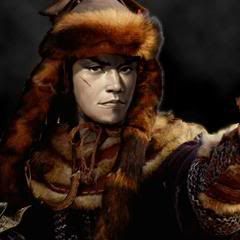
33. Phàn Tiếp: (: ? - ?): a Chinese naval general. With Omar, they led naval wing of 500 ships to invade Nam Viet. Being ambushed at Bach Dang port on the withdrawal, wounded and captured. Died of disease and his corpse was returned to homeland.
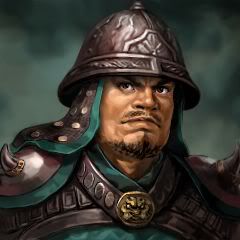
34. Tích Lệ Cơ: (: ? - ?): a Mongol prince, support Ariq Boke in Mongol civil war. Serviced in Nam Viet campaign as sentence but being captured as prisoner at Bach Dang naval battle. Later being released to homeland.
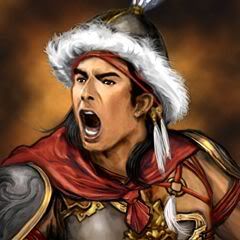
35. Sầm Đoàn:a Yuan political civilian. Supporting Omar and Phan Tiep in naval wing throughout Dai Viet campaign. Later being taken as prisoner and release to homeland for peace treaty
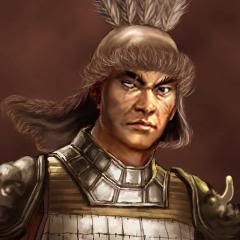
36. Lưu Quốc Kiệt: a Chinese naval general surrender to Yuan dynasty. Tactic in sea battle, take charge of naval force after Omar death. His preparation for Dai Viet invasion has never come true after Kublai funeral.
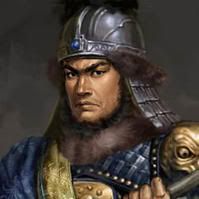
37. Áo Lỗ Xích: (Ayuruychi: ? - ?) : Vice general commander of Mongol invasion force into Dai Viet. Replaced Ariq Qaya for supporting Toghan in the third campaign, leading the main infantry and cavalry wing to attack through mainland. His force had to retreat due to food shortage and decease and suffered heavy loss.
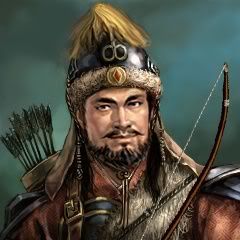
38. Thoát Hoan: Toghan: the seventh prince of Kublai. Kublai ranked him King of YunNan, led Mongol armies into Burma and Vietnam. He was defeated in Vietnam twice. On the withdrawing route, he had to escaped in copper pipe to avoid arrows. His farlure marked the downfall of Mongol Empire.
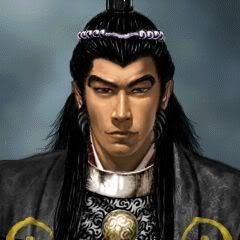
39. Lưu Thế Anh: Chinese general surrender to Kublai. A well tactic cavalry commander. He won many battles against Dai Viet force in invasion campaign. Ambushed and killed Tran Quoc Toan at Nhu Nguyen river on the withdrawal.
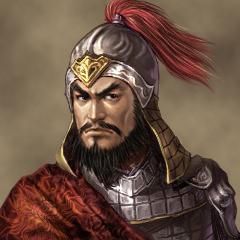
40. A Bát Xích: (Abaci): A strong cavalry general of Yuan Mong horse force invade Dai Viet. He won many battles and led the front force for withdrawal. On a drama battle, he hit an arrow and died on the battlefield.

41. Trương Văn Hổ: Chinese pirate surrender to Yuan dynasty. He led a naval to transport supply for whole main Mongol invasion force. Ambushed by Tran Khanh Du at Bach Dang port making his force totally destroyed. He escaped but Mongol force had to retreat by supply shortage.
Thành Cát Tư Hãn (Genghis Khan: 1162 -1227)
Four Princes - Tứ Trưởng tử : Truật Xích - Sát Hợp Đài - Oa Khoát Đài - Đà Lôi
Four Valiant Warriors - Tứ Dũng: Bốn viên dũng tướng của Thành Cát Tư Hãn: Mộc Hoa Lê (Muqali) - Xích Lão Ôn (Chilaun) - Bác Nhĩ Truật (Bo'orchu) - Bác Nhĩ Xích (Borokhula)
Four Dogs of War - Tứ Kiệt: Bốn viên đại tướng của Thành Cát Tư Hãn: Khubilai (Hốt Tất Lai) - Giả Lặc Miêt (Jelme) - Triết Biệt (Jebe) - Tốc Bất Đài (Subutai)
Bốn con trai của Truật Xích: Oa Nhi Đáp - Bạt Đô - Biệt Nhân Ca - Tích Ban
Hai con trai của Sát Hợp Đài: Mutukan - Baidar
Ba người con của Oa Khoát Đài: Quý Do (Guyuk) - Koden - Kadan
Bốn người con của Đà Lôi: Mông Ka - Hốt Tất Liệt - A Lý Bất Ca - Húc Liệt Ngột
Các tướng Nguyên Mông xâm lược Đại Việt
Tướng Nguyên
Thoát Hoan: Toghan
Ngột Lương Hợp Thai (Uriyangqatai):
A Truật (Aju):
A Lý Hai Nha (Ariq Qaya)
Toa Đô (Sogetu, Suodu)
Ô Mã Nhi (Omar):
Áo Lỗ Xích (Ayuruychi: ? - ?)
Tích Lệ Cơ
Thiết Mộc Nhĩ
Đường Ngột Nại (cũng gọi là Đường Cổ Nại)
Bột La Cáp Đáp Nhĩ
A Bát Xích (Abaci)
Sầm Đoàn
Sài Thung
Tướng đầu hàng nhà Nguyên
Tây Hạ
Lý Hằng :
Nam Tống
Lý Quán
Trình Bằng Phi
Phàn Tiếp
Lưu Quốc Kiệt
Lưu Thế Anh
Lưu Khuê
Nghê Nhuận
Trương Văn Hổ
---------------------------------------------------------------------------------------------------------------------------------------------------------
1. Thành Cát Tư Hãn (Genghis Khan: 1162 -1227) the founder of Mongol Empire, the greatest and largest empire in the history. Despite of many troubles, he united Mongol tribes, led them under his great world conquer. Nothing could stop him, even his closet childhood friend, Jamukha.
Four Princes: Bốn con trai của Thành Cát Tư Hãn : Truật Xích - Sát Hợp Đài - Oa Khoát Đài - Đà Lôi
Four Valiant Warriors - Tứ Dũng: Bốn viên dũng tướng của Thành Cát Tư Hãn: Mộc Hoa Lê (Muqali) - Xích Lão Ôn (Chilaun) - Bác Nhĩ Truật (Bo'orchu) - Bác Nhĩ Xích (Borokhula)
Four Dogs of War - Tứ Kiệt: Bốn viên đại tướng của Thành Cát Tư Hãn: Khubilai (Hốt Tất Lai) - Giả Lặc Miêt (Jelme) - Triết Biệt (Jebe) - Tốc Bất Đài (Subutai)
Four Princes - Tứ Trưởng tử
2. Truật Xích (Jochi: 1181 – 1227): the eldest son of Genghis Khan and Borte. There is a legendary that his real his father is Merkit tribe leader. This is source of dispute between him and his brother Chagatai. He led two campaigns against Jin, Khwarezm, conquered Central Asia He died earlier than his father. His son Orda and Batu founded the White Horde and the Blue Horde, later combine their territories into the Kipchak Khanate (Golden Horde). Another son, Shiban, received territories that lay north of Batu and Orda’s Ülüs.
Bốn con trai của Truật Xích: Oa Nhi Đáp - Bạt Đô - Biệt Nhân Ca - Tích Ban
3. Sát Hợp Đài (Chagadai: 1183–1241): the second son of Genghis Khan. He is straightforward and always disputed with Jochi. After death of Genghis Khan, he received his fortune and established his Chagadai Khanate, a part of Mongol Empire.
4. Oa Khoát Đài (Ogedei: 1186 – 1241): the third son of Genghis Khan, succeed him as Great Khan (Khagan) of Mongol Empire. Under his reign, Mongol Empire continued expanded to the west to conquer Europe and to the east to conquer China, defeated Jin and Song Dynasty. He is a clever, flexible strategist and emperor.
Ba người con của Oa Khoát Đài: Quý Do (Guyuk) - Koden - Kadan
5. Đà Lôi (Tolui: 1193 – 1232): the youngest son of Genghis Khan, served with distinction in the campaigns against the Xi Xia, Jin Dynasty and Khwarezmid Empire. He is father of Khubilai, the founder Yuan Mong Empire. Amazing military skills and very cautious, successful general.
Bốn người con của Đà Lôi: Mông Ka - Hốt Tất Liệt - A Lý Bất Ca - Húc Liệt Ngột
Kipchak Khanate - Kim Trướng Hãn quốc - Bốn hoàng tử của Hãn Truật Xích
6. Bạt Đô (Batu: 1205 – 1255): one son of Jochi, estabished White Horde, later conbimed with Blue Horde to be Kipchak Khanate, a clan of Mongol Empire. Batu joined Odegei military campaign against Jin Dynasty in North China. He conquered Europe, defeated many armies there. Batu means strong warrior.
7. Oát Nhi Đáp (Orda Ichen: 1204 – 1280): the eldest son of Jochi. He established Blue Horde, later conbimed with White Horde to be Kipchak Khanate, a clan of Mongol Empire. He is a military strategist, participated in the massive invasion of Rus and Kiev.
8. Biệt Nhân Ca (Berke: ? – 1266): one son of Jochi, succeed Batu as Kipchak Khanate. He invaded Europe, defeated Hungarian army. He converted to Islam, making a civil war with Hulagu. After that he support Ariq Boke to be new Khagan after death of Mongke. Kublai called both Hulagu and Berke for a Kurultai and he refused to come. the new Kurultai was never held.
9. Tích Ban (Shayban: ? - ?): the fifth son of Jochi, participated the Mongol invasion of Europe. He had support from his brothers, later established Shaybanids dynasty. There is legend he killed Guyuk Khan in a violent brawl.
Three princes of Ogedei Khagan - Ba hoàng tử của Khả Hãn Oa Khoát Đài
10. Quý Do: (Guyuk: 1206 – 1248): one son of Ogedei, succeed him as Khagan of Mongol Empire. Participated in the invasion of Russia and Central Europe, with his cousin Batu and Kadan, then quarreled violently with Batu at the victory banquet. Pursuing the war against the Song Dynasty. After his death, Mongke was elected as new Khagan.
11. Koden: (1206-1251): grandson of Genghis Khan, second son of Ogedei Khan, brother of Güyük Khan. Administrator over much of China before Kublai Khan came to power. He ordered the invasion of Tibet.
12. Kadan: son of the second Great Khan of the Mongols Ögedei and a concubine. During the Mongol invasion of Europe, Kadan sacked many cities. Kadan accepted the election of Mongke Khan as Khagan. loyal to Kublai Khan and supported his army against Ariq Boke.
Yuan Mong Dynasty & IlKhanate - Bốn hoàng tử của Hãn Đà Lôi
13. Mông Ka: (Mongke: 1209 – 1259): the fourth Great Khan of theMongol Empire, the eldest son of Tolui. Under Mongke, the Mongols conquered Iraq and Syria as well as the kingdom of Nanzhao. He was favourite general of Guyuk. After Guyuk death, his friendliness with Batu ensured the unity of the empire. He died in a battle in the siege Fishing Town, Chongqing (Điếu Ngư Đài – Trùng Khánh). Mongke means Eternal.
Ông chính là người tên là Mông Kha mà Trần Quốc Tuấn đề cập đến trong Hịch Tướng sĩ.
14. Hốt Tất Liệt (Kublai: 1215 – 1294): the fifth Khagan, founder of the Yuan Dynasty. the second son of Tolui. After death of Mongke, there was a civil war between brothers, Ariq Boke and alliance Kublai – Hulegu. He continued invasion South Song Dynasty and established Yuan Dynasty. He invade Great Viet (Dai Viet) there times but totally defeated.
15. Húc Liệt Ngột (Hulegu: 1217 – 1265): son of Tolui, brother of Mongke, Kublai and Ariq Boke. Destroyed the greatest center of Islamic power, Baghdad, and Damascus, conquest of Syria. He supported Kublai against Ariq Boke. After that he found the Ilkhanate of Persia.
16. A Lý Bất Ca (Ariq Boke: 1219–1266): the youngest son of Tolui. After death of Mongke, he throned as new Khagan but be opposed by Kublai and Hulegu. The civil war broken down. He was defeated and executed later.
Four Valiant Warrios - Tứ Dũng
17. Mộc Hoa Lê (Muqali: 1170–1223): one of the greatest generals under Genghis Khan. Win decisive battle in the first stage of the Mongol–Jin War. Make war with Khwarezmid Empire, subdue most of Northern China with his small force of around 20,000 men. Muqali declared with pride that he had never been defeated.
18. Xích Lão Ôn: (Chilaun): one of the greatest generals in the Mongol Empire, known as one of Genghis Khan four variant warriors. He helped young Genghis escape from captivity at the hands of the Tayichiuds. Chilaun means rock - rocky.
19. Bác Nhĩ Hốt: (Borokhula): one of the greatest generals of Genghis Khan. He was found after the destruction of the Jurchen, by Jebe, and given to Hoelun. He saved Ögedei during the battle by sucking clotted blood out of his neck from an arrow wound. Later sent to lead an invasion of the Khori-tumats. However, he was cut off by enemy scouts and killed.
20. Bác Nhĩ Truật: (Bo'orchu): one of the first and most loyal of Genghis Khan's friends. Stolen horse with Gengis at youth. Helped to rescue Borte and defeated Jamukha despite of being shoot by an arrow. Loyal to Ogedei Khagan after all.
Four Dogs of War - Tứ Kiệt
21. Tốc Bất Đài: (Subutai: 1175–1248): the primary military strategist and general of Genghis Khan and Ogedei. Direct more than twenty campaigns, conquered thirty two nations, won sixty five pitched battles, earn title Dogs of War. Died at the age 72. He is father of well known general Uriyangqatai .
Tốc Bất Đài là cha của Ngột Lương Hợp Thai, ông nội của A Truật.
Uriyangqatai: Ngột Lương Hợp Thai hay còn gọi là Cốt Đãi Ngột Lang, người chỉ huy tiêu diệt Nam Tống và xâm lượng Đại Việt lần thứ 1. Tên của ông xuất hiện trong Hịch Tướng sĩ của Trần Quốc Tuấn.
22. Triết Biệt: (Jebe: ? – 1225): Dogs of War. Shoot Genghis wounded by an arrow on neck. Later be one of the best and most loyal commanders of Genghis Khan. Conquests China, Central Asia, Europe at Kiev and the Rus. Died on his way back from the conquests of Kievan Rus. Jebe means Saint of Arrows.
23. Giả Lặc Miệt: (1160 - ?): Dogs of War. A general and close companion of Genghis Khan. Older brother of . Rescued Genghis from an arrow to the neck by his future general Jebe. Granted immunity from prosecution even if he commits nine crimes.
24. Hốt Tất Lai: (Khubilai: ? - 1211): Dogs of War. One strong general of Genghis Khan. Under his great Khagan, united Mongol tribes and conquer the world.
Các tướng Nguyên Mông xâm lược Đại Việt
25. Ngột Lương Hợp Thai: (Uriyangqatai: 1200 – 1271): son of Subutai. Great general of Kublai. Under Batu and Hulegu leadership, conquer Bagdad. He wiped out Nanchao, Dai Li and annihilated South Song. Support Kublai in civil war. He invade Dai Viet and was defeated.
26. A Truật: (Aju: 1227–1287): son of Uriyangqatai. Strong general. Followed his father subdued western China, conquered the Dali. Uryankhadai and Aju led 3000 Mongols and 10000 troops Dali tribes to northern Vietnam in 1255. Crushed Song armies and navies captured Fancheng during the Battle of Xiangyang made Song governor committed suicide.
27. A Lý Hải Nha: (Ariq Qaya: 1227-1286): great general of Kublai. He pacified south of China and invade Dai Viet. He is bloodthirsty and machiavellian person.
28. Toa Đô: (Sogetu: ?–1285): great general of Kublai, under Aju leadership. In a battle with Song army, he cut more than 300 heads. He led 20000 soldiers to attack Champa, as a plan to invade Dai Viet from the south. He was ambushed at Tay Ket port and died by arrows. His corpse was preserved and buried with honored funeral.
29. Ô Mã Nhi: (Omar: ?–1285): great Muslim valiant general of under Kublai. Leading Yuan naval attack Dai Viet. Being ambushed and captured in naval battle at Bach Dang port. Released but being drowned for his cruelty violence in invasion.
30. Lý Hằng: (Li Heng : ? - 1285) a prince of XiYe Dynasty, brilliant Tangut general of Kublai. In South Song campaign, defeated Van Thien Tuong, occupied Ping Castle at Xinyang, defeated all South Song naval at South Sea. During Viet campaign, rescued Toghan and hit an arrow, led to his death on the route.
31. Lý Quán: (Li Quen: ? – 1285): a infantry general under LiHeng command. After LiHeng wounded, he guarded Toghan withdrawal and died for exhaustion with his master.
32. Trình Bằng Phi: (: ? - ?): a Chinese tactic general, combative cavalry commander. He won 17 battles in Viet campaign. During the withdrawal, he used cavalry force for breakthrough to rescue the whole wing army.
33. Phàn Tiếp: (: ? - ?): a Chinese naval general. With Omar, they led naval wing of 500 ships to invade Nam Viet. Being ambushed at Bach Dang port on the withdrawal, wounded and captured. Died of disease and his corpse was returned to homeland.
34. Tích Lệ Cơ: (: ? - ?): a Mongol prince, support Ariq Boke in Mongol civil war. Serviced in Nam Viet campaign as sentence but being captured as prisoner at Bach Dang naval battle. Later being released to homeland.
35. Sầm Đoàn:a Yuan political civilian. Supporting Omar and Phan Tiep in naval wing throughout Dai Viet campaign. Later being taken as prisoner and release to homeland for peace treaty
36. Lưu Quốc Kiệt: a Chinese naval general surrender to Yuan dynasty. Tactic in sea battle, take charge of naval force after Omar death. His preparation for Dai Viet invasion has never come true after Kublai funeral.
37. Áo Lỗ Xích: (Ayuruychi: ? - ?) : Vice general commander of Mongol invasion force into Dai Viet. Replaced Ariq Qaya for supporting Toghan in the third campaign, leading the main infantry and cavalry wing to attack through mainland. His force had to retreat due to food shortage and decease and suffered heavy loss.
38. Thoát Hoan: Toghan: the seventh prince of Kublai. Kublai ranked him King of YunNan, led Mongol armies into Burma and Vietnam. He was defeated in Vietnam twice. On the withdrawing route, he had to escaped in copper pipe to avoid arrows. His farlure marked the downfall of Mongol Empire.

39. Lưu Thế Anh: Chinese general surrender to Kublai. A well tactic cavalry commander. He won many battles against Dai Viet force in invasion campaign. Ambushed and killed Tran Quoc Toan at Nhu Nguyen river on the withdrawal.

40. A Bát Xích: (Abaci): A strong cavalry general of Yuan Mong horse force invade Dai Viet. He won many battles and led the front force for withdrawal. On a drama battle, he hit an arrow and died on the battlefield.

41. Trương Văn Hổ: Chinese pirate surrender to Yuan dynasty. He led a naval to transport supply for whole main Mongol invasion force. Ambushed by Tran Khanh Du at Bach Dang port making his force totally destroyed. He escaped but Mongol force had to retreat by supply shortage.
Chỉnh sửa cuối:


