
- 29/7/10
- 11,714
- 8,350
Hix bác liệng 1 mớ tiếng anh lên thế này thì chơi khó anh em quá, có phải ai cũng pro tiếng anh đâu bác, mình nghĩ ít nhất với mấy cái văn bản thế loại thế này thì bác nên tóm tắt sơ sơ qua tí chứ thế này thì ...



Follow along with the video below to see how to install our site as a web app on your home screen.
Note: This feature may not be available in some browsers.
Tắt thông báo bằng nút X bên góc phải của bảng thông báo*

thôi dc rồi dịch tóm tắt cho nghe...Hix bác liệng 1 mớ tiếng anh lên thế này thì chơi khó anh em quá, có phải ai cũng pro tiếng anh đâu bác, mình nghĩ ít nhất với mấy cái văn bản thế loại thế này thì bác nên tóm tắt sơ sơ qua tí chứ thế này thì ...




Đó là trận đánh xe tăng lớn nhất đầu tiên thôi, trận giữ kỉ lục là trong cuộc chiến 6 ngày của Israel với phe Ả rập cơBài viết trên có điểm không hợp lý. Em chỉ thấy người ta nói trận Kursk là trận đánh xe tăng lớn nhất thế giới chứ không phải trận làng Prokhorovka. Prokhorovka chỉ là một điểm nhỏ trong toàn bộ trận Kursk.


chả biết chỉ biết patton hốt xác khi gặp IS-3 trong chiến tranh hồi đó hơi nhiềuM48 Patton dùng pháo 90mm thôi, Patton pháo 105mm nó bắn IS-3 ra bún...
Em vừa gug, ko phải 1 con Patton mà là 1 đại đội bác ạ.con Patton 105mm duy nhất của tụi Israel làm 1 lúc 7 em IS-3 luôn...
However, in one engagement between a battalion of IS-3s and a company of 105mm gun -armed M48A3's (the only one in the IDF at the time), 7 IS-3s were destroyed at a range of approximately 500 meters.
ông nhầm sang biên chế tank Anh với Đức à1 company có 11 tank thôi pa (9 tank +2 tank của chỉ huy trưởng và chỉ huy phó)
1 platoon là 3 tank
1 battallion là ~30 tank


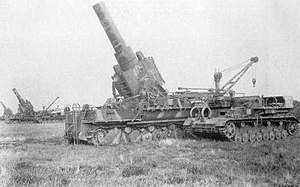
khi nào world of tanks có con arty này nhỉ
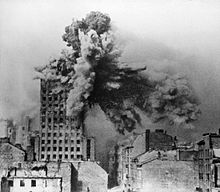
đạn của nó
1 phát là
 , mà đạn nó bắn là cỡ nòng bao nhiêu thế nhỉ ?
In most modern armies, the standard post WWII five tank platoon organization has been changed to either four or three vehicles per platoon/troop. The original concept behind the five tank platoon was to have two separate fire and movement sections, with the platoon leader joining one at will, as required by the combat situation. Postwar developments envisaged not only a shortage of tank crews, but also a significant reduction in funding, both requiring restructuring of tactical sub-units. Moreover, the technological advances made in modern battle tank design have allowed a reduction in the number of vehicles, while maintaining the same, or even superior battlefield performance.
The Israeli army, which has had substantial experience with tank warfare in the post WWII period, has shifted from five to four and finally three tanks per basic platoon, in order to increase the number of gun tubes deployed per tank company. The original IDF tank unit structure, which was developed for open desert tank warfare, was an 11 tank company (3 tanks x 3 platoons + 2 HQ tanks) allowing IDF tank units to have 8 gun tubes firing and three tanks moving at all times. This structure proved particularly suitable for high attrition tank versus tank engagements. Under the current IDF reorganization program, there have been some thoughts of reducing the Merkava Mk4 companies to seven vehicles. (1 HQ vehicle) This structure, made possible by these tank’s advanced technology and enhanced capabilities, is being considered because it would allow two tank sections to operate autonomously.
The US Army has adopted the four tank platoon, rejecting the three-tank solution in order to maintain the two sections of two tanks support mode.
The German Bundeswehr has shifted from four tanks in its platoons and 13 Leopard 2A4 tanks (4 tanks x 3 platoons + 1 command tank) per company used under Army Structure 3, to its new 13 Leopard 2A6 company with only three tanks in each platoon (3 tanks x 4 platoons + 1 command tank) in its latest organization (Army Structure 5N).
The basic Russian T-72/80/90 tank platoon is still their traditional three vehicle formation, however, there are reports of a new concept being examined, under which a five AFV platoon will be established, with four tanks and a BMPT as the fifth vehicle. The BMPT is an entirely new class of vehicle known as a Tank Assistance Combat Vehicle. The Russians claim that this vehicle, by supporting the MBTs, increases their combat efficiency by 30%. The BMPT deals with all secondary targets, allowing the MBTs to focus on engaging the ‘heavy’ targets, which their main armament is designed for. The BMPT, based on T-72/-90 hulls, mounts an array of advanced anti-tank and anti-personnel weapons. These weapons systems include eight launchers mounting a combination of AT-9 Ataka guided anti-tank missiles or Igla short range air defense missiles, 30mm automatic cannon, multiple 30mm automatic grenade launchers and 7.62 machine guns.
Combat experience in urban fighting has clearly demonstrated the advantages of the four tank platoon. Fighting through narrow alleys, where tanks operate in two tank sections supporting infantry, a three tank platoon would not only be inadequate, but also uneconomical, as the remaining single vehicle would in most cases be left behind, or not effectively used by the infantry commander, making it highly vulnerable to enemy tank killer teams. The alternative would be to use all three tanks of the platoon together, which would probably provide more firepower and more control problems than necessary. In addition, although the infantry commander may have the best intentions, his true function, and the one he has spent the most time training for, is controlling his own troops, not a tank or group of tanks temporarily assigned to his unit.
From a purely economical viewpoint, reverting to the four tank platoon and 13 tanks per company would eliminate the second HQ tank, leaving a single tank for the company commander. The second HQ vehicle could be replaced by an APC or AIFV, capable of fighting and moving with the company, but with superior C4I facilities on board.
The British army tank squadron has a 14 tank structure with four troops (platoons) of 3 Challenger II tanks and two tanks in the HQ section. These four troop squadrons give the squadron leaders the choice of forming two-tank sections, although in some cases with the two tanks coming from different platoons, without creating too much degradation in the squadron command structure, or leaving single tanks vulnerable, as might happen with a three-tank by three platoon company.
The US Army has several basic scenarios for task organizing a small unit combined task force for urban combat.

Con pháo này nó chạy trên đường ray mà
con đó chạy xích ! di chuyển rất chậm , nòng ngắn 1 phát zo maus xe không hư thì mấy thằng ngồi bên trong cũng chết hếtCon pháo này nó chạy trên đường ray mà
sao trc mình đọc ở đâu là bọn này dùng cùng kiểu biên chế của Mĩ nhỉ